

In crisis? Call or text 988 · More help, right now

Category: Family Recovery

  • Parents of Loved Ones in Active Addiction Are Often Overlooked

    Parents of Loved Ones in Active Addiction Are Often Overlooked

    When a child struggles with addiction, almost every question goes to them. Treatment. Detox. Recovery services. Meanwhile the parents stand in the hallway of all that worry, and almost nobody asks how they are doing. I want to ask, because I have watched too many good parents run themselves into the ground in silence.

    This article is for education, not medical advice. If you or someone you love is in crisis, call or text 988.

    If your son or daughter is still in active addiction, your pain counts too. That is not a small sentence. For many parents, it is the first time anyone has said it plainly.

    Why parents get overlooked

    Parents get overlooked because the crisis around their child is louder than their own suffering. Every call, every plan, and every dollar tends to point at the person using, while the parents absorb the fear at home.

    Parents often live with constant stress, broken sleep, and a fear that never fully turns off. Over time that strain can harm physical health, strain marriages and friendships, and hurt work performance. None of that shows up on an intake form. It still matters, and it still deserves care.

    Why many support options fall short for parents

    Many parents try open community groups or online forums and walk away feeling worse, not better. The setting is not always the problem. The fit often is.

    Common concerns parents name include:

    • Little privacy, with real fear of being recognized or judged
    • Unstructured talk that raises anxiety instead of settling it
    • Advice built on guilt or blame
    • Rooms that feel emotionally overwhelming on an already hard day

    Parents deserve support that is calm, guided, and built for what they are actually living through. If you are sorting out what help can look like, start with When Someone You Love Is Addicted: What You Can Do.

    What helpful support for parents looks like

    Helpful support gives parents a private place to focus on themselves, maybe for the first time in years. It should lower shame, not add to it, and it should respect how complicated loving your child through addiction really is.

    Good support for parents often includes:

    • Confidential conversation, including options you can join from home
    • Steady emotional guidance, grounded in how addiction affects families
    • Time with other parents who understand without needing a long explanation
    • Practical tools for coping, setting boundaries, and responding without enabling

    Support does not mean giving up hope for your child. It means protecting your own health and peace while you live with a situation you cannot control. The resources page lists support options for families across North Carolina.

    Key Takeaways

    • Parents of people in active addiction carry real stress, fear, and health effects that often go unnamed.
    • The focus on treatment for the child can leave parents with no support of their own.
    • Many parents need privacy and calm structure more than a large, unstructured group.
    • Support for parents protects their health and helps them respond with steadier boundaries.
    • Getting support is not abandoning your child. It is how you stay standing.

    Conclusion

    You can love your child with your whole heart and still admit that this is hurting you. Both things are true at the same time. Parents who get support are not selfish. They are doing the honest work of staying well inside a hard season.

    This article is for education, not medical advice. If you or someone you love is in crisis, call or text 988.

    It sounds like you have spent so long worrying about your child that your own exhaustion has started to feel normal. How would it feel to talk it through for fifteen minutes and focus, for once, on what you need? Book a free 15 minute consult and we will talk about support that fits your life.

    Frequently Asked Questions

    Is it normal to feel angry at my child and protective of them at the same time?

    Yes. Love and anger often live side by side in this. You can hate what addiction is doing and still love your child fiercely. Feeling both does not make you a bad parent.

    Why do I feel worse after some support groups?

    Fit matters. A group that is unstructured, very intense, or short on privacy can raise anxiety for parents already on edge. A calmer, guided setting, or one on one family support, may serve you better.

    Does getting support for myself mean I am giving up on my child?

    No. It means you are protecting your health while you keep loving them. Parents who are rested and supported tend to set clearer boundaries and respond more calmly, which helps everyone.

    What can I do on the hardest nights?

    Keep it simple. Eat something, reach out to one safe person, and rest when you can. If fear for your child’s safety is immediate, use local emergency help. You do not have to solve the whole story tonight.

    Where can parents in North Carolina find support?

    Start with family focused counseling, family recovery support, and trusted community groups. The resources page on this site gathers North Carolina options, and a free consult can help you pick a first step that feels private and manageable.

    About the Author

    Chandler Picot, CADC, QP, NCCPSS, CHW, is a sober recovery coach and peer support specialist in long term recovery in North Carolina. He manages a recovery home, writes and speaks about addiction and family recovery, with steady attention to parents who are often overlooked, and offers coaching and a free 15 minute consult through chandlerpicot.com.

    Last reviewed: October 27, 2026

    Start where you stand

    Whether the addiction in the room is yours or belongs to someone you love, you do not have to sort it out alone, and you do not have to have it all figured out before you ask for help. Four doors, all of them open:

    • Book a free 15 minute call. Every engagement starts here. You talk, I listen, and I tell you plainly whether I can help.
    • Work With Me. Recovery coaching, family recovery coaching, and sober companionship, with fees printed up front.
    • Raw. Real. Recovered. The podcast: real talk about addiction, recovery, and the families standing in the middle of it.
    • Resources. Crisis lines, helplines, meetings, and workbooks gathered in one place for North Carolina families.
  • The Transformative Power of Attending Substance Abuse Conferences

    The Transformative Power of Attending Substance Abuse Conferences

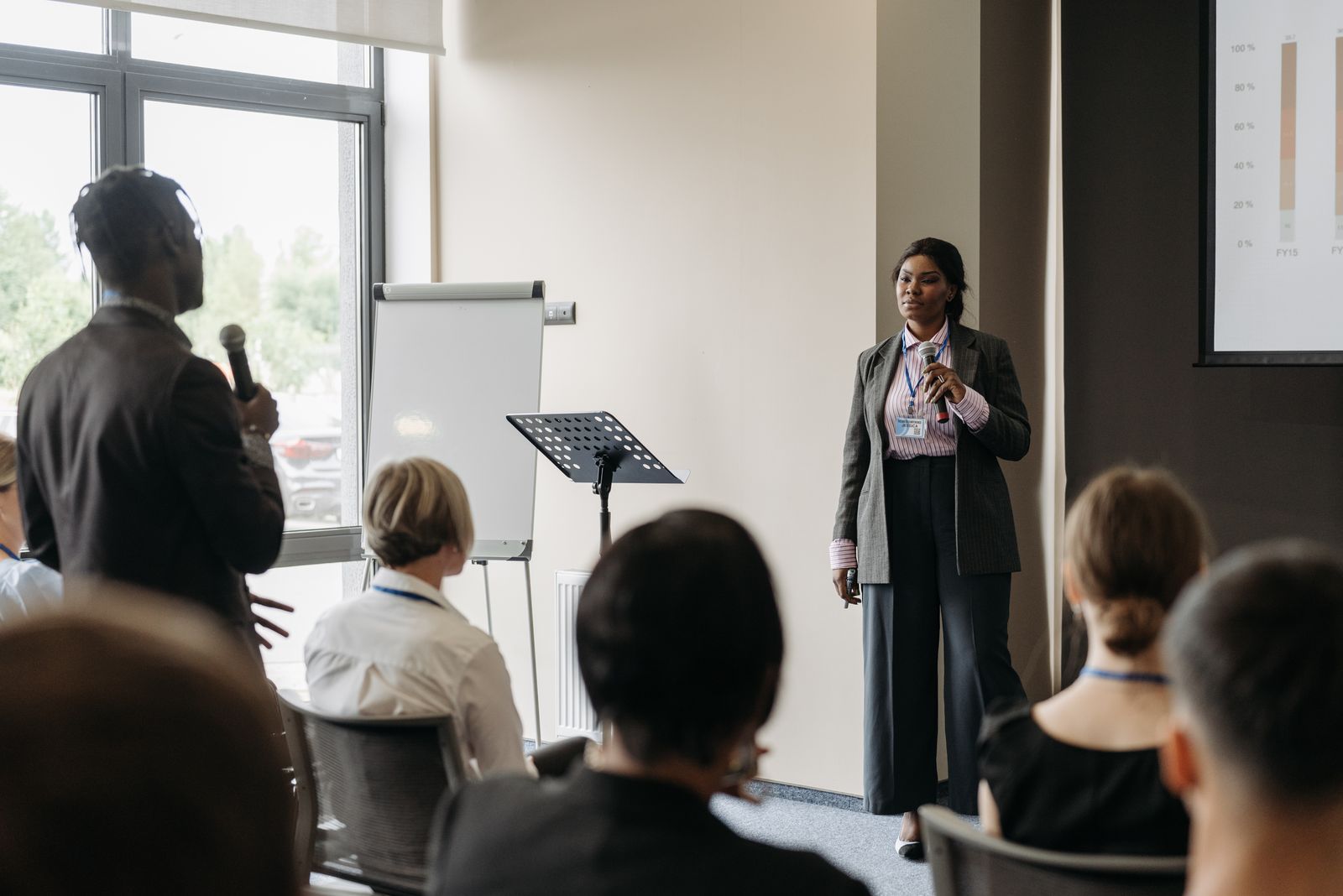
    Some of the best learning in recovery work happens in a room full of people who do this work every day. As a counselor and a peer support specialist, I leave conferences with new tools, new friends, and a renewed sense of why this work matters. I am grateful for that, every single time.

    This article is for education, not medical advice. If you or someone you love is in crisis, call or text 988.

    Conferences are not just professional development. At their best they are part classroom, part family reunion, and part refueling station for people who spend their days walking with others through hard things.

    What you actually learn at these conferences

    You learn current, practical approaches to addiction and recovery, taught by people who use them in real settings. Sessions often cover addiction science, recovery pathways, trauma informed care, and plain tools for supporting people in daily life.

    The best workshops send you home with something you can use on Monday morning. A better question to ask in a session. A clearer way to explain recovery to a worried parent. A fresh idea for helping a faith community respond to addiction with compassion instead of judgment. Education like that lowers stigma wherever it gets carried back to.

    Why connection with peers matters so much

    Connection matters because recovery work can feel lonely, and none of us does this work well alone. Conferences put counselors, peer supporters, social workers, advocates, and people with lived experience in the same hallways, comparing notes honestly.

    Those hallway conversations are gold. You hear how another community runs its peer support, what is working, and what is not. Many of those talks turn into lasting professional friendships that continue long after the event ends. If you speak or teach in this field, the speaking page shares how I approach rooms like these.

    How hearing recovery stories renews purpose

    Hearing recovery stories in person renews purpose because it puts the outcome of this work right in front of you. A speaker stands where you are sitting and tells the truth about addiction, help, and a rebuilt life.

    Stories like that are honest and hopeful at the same time. They remind a tired helper why the long days are worth it. They also remind us that change is possible for real people, not just in theory, and that supporting one person well can ripple through a whole family.

    New tools and resources you bring home

    Conferences are one of the fastest ways to learn what resources exist beyond your own town. Exhibitors and presenters share books, training options, community programs, and tools built to support recovery.

    Learning what is available helps me connect individuals and families to options they may never have heard of. A resource that is new to me can be exactly the door a family has been praying for. I keep a running list on the resources page for that reason.

    Time to reflect and care for yourself

    Conferences also give helpers rare time to pause, reflect, and reset. Peer support and counseling are deeply rewarding work, and they are emotionally demanding work too.

    A few days in a recovery focused setting is a good place to look at your own recovery, your boundaries, and your long term goals. It reinforces a truth we tell everyone we serve. No one does this alone, and that includes us.

    Key Takeaways

    • Conferences teach practical, current tools for addiction and recovery work.
    • Time with peers fights the loneliness of this work and builds lasting professional ties.
    • Recovery stories told in person renew purpose for counselors and peer supporters.
    • New resources found at conferences become real options for families back home.
    • Stepping back to reflect protects the helper, not just the people being helped.

    Conclusion

    Attending substance abuse conferences is more than a duty on a calendar. It is a chance to grow, to connect, and to come home steadier and better equipped for the people who count on you. If you ever get the chance to attend one, take it. The impact shows up in your work for months.

    This article is for education, not medical advice. If you or someone you love is in crisis, call or text 988.

    It sounds like you pour into everyone else and rarely get a room that pours back into you. How would it feel to talk it through for fifteen minutes and plan your next step for learning, speaking, or support? Book a free 15 minute consult and we will talk it over together.

    Frequently Asked Questions

    Who should attend a substance abuse conference?

    Counselors, peer support specialists, social workers, advocates, faith leaders, and family members all attend, for different reasons. If you support people affected by addiction in any role, there is likely a session track built for you.

    What is the difference between a conference session and regular training?

    Training usually teaches one skill in depth. A conference offers many topics, voices, and viewpoints in a few days, plus the peer connection that a single class cannot give. Both matter, and they do different jobs.

    How do I get the most out of a conference?

    Pick a few sessions that match real needs in your work, take notes you will actually reread, and talk to people between sessions. The conversations often teach as much as the stage does. Rest is part of the plan too.

    Can family members benefit from recovery conferences?

    Yes. Many events include sessions on family recovery, stigma, and community support. Families often leave with new language for what they are living through, and with resources they did not know existed.

    Do conferences help with burnout in recovery work?

    They can. Learning, peer connection, and time to reflect all push back against burnout. They are not a cure on their own, but they remind helpers that they belong to a larger community doing this work together.

    About the Author

    Chandler Picot, CADC, QP, NCCPSS, CHW, is a sober recovery coach and peer support specialist in long term recovery in North Carolina. He manages a recovery home, writes and speaks about addiction and family recovery, including what conferences and peer gatherings give back to this work, and offers coaching and a free 15 minute consult through chandlerpicot.com.

    Last reviewed: October 27, 2026

    Start where you stand

    Whether the addiction in the room is yours or belongs to someone you love, you do not have to sort it out alone, and you do not have to have it all figured out before you ask for help. Four doors, all of them open:

    • Book a free 15 minute call. Every engagement starts here. You talk, I listen, and I tell you plainly whether I can help.
    • Work With Me. Recovery coaching, family recovery coaching, and sober companionship, with fees printed up front.
    • Raw. Real. Recovered. The podcast: real talk about addiction, recovery, and the families standing in the middle of it.
    • Resources. Crisis lines, helplines, meetings, and workbooks gathered in one place for North Carolina families.

  • Understanding Addiction Recovery: A Comprehensive Guide

    Understanding Addiction Recovery: A Comprehensive Guide

    Addiction recovery is the ongoing work of rebuilding a life that substance use has pulled apart. It is not a single event and it is not a straight line. I am grateful to say it is real, it is possible, and it usually grows from small, repeated steps taken with support. This guide explains how recovery works, stage by stage, in plain language.

    This article is for education, not medical advice. If you or someone you love is in crisis, call or text 988.

    Whether you are reading for yourself or for someone you love, clarity helps. When you understand the stages and the daily work, the whole thing feels less like a mystery and more like a road you can actually walk.

    What addiction recovery actually is

    Recovery is a long term process of change in health, habits, relationships, and daily life, not just a stretch of not using. Stopping use is the doorway. Recovery is the house you build after you walk through it.

    That building work includes honest self reflection, new routines, repaired trust, and support that sticks around after the crisis passes. A substance use disorder, the clinical term for addiction, affects the body, the mind, and the people around the person. Recovery has to touch all three.

    The stages of recovery

    Recovery usually moves through stages, and people may revisit a stage more than once. Revisiting is not failure. It is information about what support is missing.

    • Detox, short for detoxification, is the first stage, when the body clears substances and withdrawal symptoms are managed. Withdrawal can be serious, so this stage often needs medical support rather than willpower alone.
    • Treatment and rehabilitation come next: structured counseling and support that build tools for understanding triggers, cravings, and the patterns under the using.
    • Maintenance is the steady middle, where counseling, peer support, and self care routines protect the gains made in treatment.
    • Aftercare is the ongoing support after formal treatment ends: meetings, check ins, and community ties that keep accountability alive.

    Daily steps that support recovery

    Daily steps work because recovery is built in ordinary hours, not in big speeches. Small actions, repeated, change what a brain and a life expect from a day.

    • Set clear, modest goals, like a steady wake time, one meeting, or one honest conversation.
    • Build a support network of people who know the truth and will tell you the truth.
    • Keep a structured schedule with time set aside for recovery, work, rest, and family.
    • Use simple grounding practices, like journaling, prayer, or quiet breathing, to lower stress before it spikes.
    • Review your week honestly. Note what helped, what hurt, and adjust one thing at a time.

    For a closer look at early structure, see Finding Your Footing: Steps for Building a Strong Recovery.

    How family and community strengthen recovery

    Family and community strengthen recovery by cutting isolation and adding steady, honest support. People recover better when they belong somewhere and when the people closest to them understand what recovery asks.

    Open communication helps families share struggles and wins without shame. Shared routines give the week a reliable shape. Community groups and peer support add people who have lived this and can say, with credibility, that it gets more manageable. If you are the family member reading this, When Someone You Love Is Addicted: What You Can Do was written for you.

    What progress looks like when it is not a straight line

    Progress often looks uneven: strong weeks, a hard day, a return to use, often called relapse, and then a return to support. That uneven shape is common, and it does not erase the work already done.

    What matters after a setback is speed and honesty. Tell someone quickly. Look at what was missing, whether that was sleep, support, or a plan for a known trigger. Then rebuild with that gap covered. Recovery grows through that honest loop, again and again.

    Key Takeaways

    • Recovery is a long term process of change, not a single event or a test of willpower.
    • The stages are detox, treatment, maintenance, and aftercare, and revisiting a stage is common.
    • Daily structure, honest goals, and simple grounding habits protect recovery.
    • Family and community support cut isolation and add accountability that lasts.
    • A return to use is a setback to learn from, not proof that recovery has failed.

    Conclusion

    Every step in recovery counts, including the small and unglamorous ones. A meeting attended. A phone call made instead of a craving obeyed. A week reviewed with honesty. Stack enough of those, with people beside you, and a life changes shape.

    This article is for education, not medical advice. If you or someone you love is in crisis, call or text 988.

    It sounds like you have been trying to understand recovery while carrying real worry about how it all fits together. How would it feel to talk it through for fifteen minutes and leave with the next step made clear for you or your family? Book a free 15 minute consult and we will map it out together.

    Frequently Asked Questions

    What are the early signs of a substance use disorder?

    Common early signs include mood changes, pulling away from family activities, slipping responsibilities, and needing more of a substance to feel the same effect. One sign alone proves nothing. A pattern of signs is a reason to talk honestly and look at support options.

    How does someone begin recovery?

    Most people begin with an honest admission that use has become a problem, followed by real support: an assessment, counseling, a treatment program, or peer support. The right starting point depends on safety, the substances involved, and the support already in place.

    Can recovery change family relationships?

    Yes, often for the better over time. Trust rebuilds through steady behavior, honest talk, and clear boundaries. Family counseling and family support groups can help everyone heal, not just the person who used.

    What daily habits support lasting recovery?

    A steady routine, regular peer support or counseling, honest self review, and simple stress care all help. So does staying connected to people who know your story. Recovery is protected in the daily details.

    Are local resources really that important?

    Yes. Nearby meetings, counselors, and community programs are easier to reach on hard days, and hard days are when support matters most. Local ties turn a plan on paper into help you can actually get to.

    About the Author

    Chandler Picot, CADC, QP, NCCPSS, CHW, is a sober recovery coach and peer support specialist in long term recovery in North Carolina. He manages a recovery home, writes and speaks about addiction and family recovery, and offers coaching and a free 15 minute consult through chandlerpicot.com.

    Last reviewed: October 27, 2026

    Start where you stand

    Whether the addiction in the room is yours or belongs to someone you love, you do not have to sort it out alone, and you do not have to have it all figured out before you ask for help. Four doors, all of them open:

    • Book a free 15 minute call. Every engagement starts here. You talk, I listen, and I tell you plainly whether I can help.
    • Work With Me. Recovery coaching, family recovery coaching, and sober companionship, with fees printed up front.
    • Raw. Real. Recovered. The podcast: real talk about addiction, recovery, and the families standing in the middle of it.
    • Resources. Crisis lines, helplines, meetings, and workbooks gathered in one place for North Carolina families.

  • Embracing Recovery and Entrepreneurship With Resilience

    Embracing Recovery and Entrepreneurship With Resilience

    Recovery and building a business may look unrelated, but they run on the same strengths. Honesty. Support. A reason to keep going on the days that feel thin. I am grateful for that overlap, because what recovery taught me about staying steady turns out to matter in every other part of life too.

    This article is for education, not medical advice. If you or someone you love is in crisis, call or text 988.

    If you are in recovery and dreaming about starting something of your own, this is not a strange dream. For many of us, building becomes one more way to turn a hard history into something useful for other people.

    Why honesty about weakness helps in both worlds

    Honesty about your limits is a strength in recovery, and it is just as valuable when you build a business. Recovery begins with admitting you need help and that life has to change.

    Starting a business asks for the same honesty. You put your ideas and your resources on the line, in public, with no promise of how it lands. People who can name their limits early ask for help sooner, and they waste less time pretending. That kind of openness is where new ideas and real change tend to start.

    A support network is not optional

    A strong support network is essential in recovery, and building a business alone goes about as well as recovering alone. We need people who know the truth about how we are doing.

    In recovery, that means friends, family, counselors, and peers who understand the road. In business, it means mentors, advisors, and fellow builders who will share what they know and tell you when you are off course. The rooms are different. The need is the same. For a related read on the risks of intensity at work, see Entrepreneurship and Addiction: How Hustle Culture Fuels Relapse.

    Purpose gives the work weight

    A clear sense of purpose carries people through early recovery, and it can carry a business through hard seasons too. Many people in recovery find that purpose again after years of feeling lost, and it changes what they build and why.

    Work tied to your values is easier to sustain than work tied only to money or praise. It lets you solve real problems and contribute to your community. On the days when growth is slow, purpose is often the thing still standing.

    What hard experience teaches you

    Hard experience in recovery teaches steadiness under pressure, and that steadiness is a genuine business asset. You have already learned how to face a problem without running from it.

    Recovery builds adaptability, because plans change and you adjust without quitting. It builds patience, because real change takes longer than anyone wants. It builds a solutions mindset, because blame never fixed anything for long. Those lessons did not come cheap. They are allowed to pay off in your work.

    Keeping recovery first while you build

    Recovery has to stay first, because a business built on a collapsing foundation helps no one. Balancing both asks for honest self care, steady routines, and continued learning, not as rewards for success but as the ground success stands on.

    Protect the basics:

    • Keep your recovery supports in place, even when the calendar gets loud.
    • Rest on purpose, before exhaustion makes the decision for you.
    • Tell your people the truth about how you are doing.
    • Measure a good week by more than revenue.

    Every step forward, no matter how small, is proof of courage. Build on it, one day at a time.

    Key Takeaways

    • Recovery and entrepreneurship share core strengths: honesty, support, and purpose.
    • Admitting limits early helps in both, because it brings help in sooner.
    • A real support network matters as much for a founder as for a person in early recovery.
    • Steadiness under pressure, learned the hard way, is a true business asset.
    • Recovery stays first. A business cannot replace the foundation it stands on.

    Conclusion

    The resilience you built in recovery is not separate from the work you want to do in the world. It is the foundation for it. Bring your honesty, your people, and your purpose with you, and build something that helps others without costing you the life you worked so hard to reclaim.

    This article is for education, not medical advice. If you or someone you love is in crisis, call or text 988.

    It sounds like you have a dream for meaningful work and a quiet fear that chasing it might put your recovery at risk. How would it feel to talk it through for fifteen minutes and sort out how to build with recovery protected first? Book a free 15 minute consult and we will talk it over together.

    Frequently Asked Questions

    Can a person in recovery really start a business?

    Yes, many do. Recovery builds honesty, discipline, and support habits that serve builders well. The key is pacing: keep recovery supports in place, grow at a speed your life can hold, and stay honest with your people.

    What recovery skills transfer best to business?

    Steadiness under pressure, asking for help early, keeping simple routines, and telling the truth about problems before they grow. Accountability transfers well too. Business, like recovery, rewards people who do what they said they would do.

    How do I know if I am building too fast?

    Watch your foundation. If sleep, meetings, counseling, or family time keep getting cut to feed the work, the pace is too fast for your life right now. Slowing down on purpose beats being stopped by a crisis.

    Do I need to share my recovery story in my business?

    That is your choice, and there is no single right answer. Some people share openly and find it builds trust. Others keep their story private and let the work speak. Share at the level that feels honest and safe for you.

    What should come first when business and recovery conflict?

    Recovery. A missed opportunity can come back around. A lost foundation is much harder to rebuild, and everything else in your life stands on it.

    About the Author

    Chandler Picot, CADC, QP, NCCPSS, CHW, is a sober recovery coach and peer support specialist in long term recovery in North Carolina. He manages a recovery home, writes and speaks about addiction, family recovery, and building meaningful work that protects recovery, and offers coaching and a free 15 minute consult through chandlerpicot.com.

    Last reviewed: October 27, 2026

    Start where you stand

    Whether the addiction in the room is yours or belongs to someone you love, you do not have to sort it out alone, and you do not have to have it all figured out before you ask for help. Four doors, all of them open:

    • Book a free 15 minute call. Every engagement starts here. You talk, I listen, and I tell you plainly whether I can help.
    • Work With Me. Recovery coaching, family recovery coaching, and sober companionship, with fees printed up front.
    • Raw. Real. Recovered. The podcast: real talk about addiction, recovery, and the families standing in the middle of it.
    • Resources. Crisis lines, helplines, meetings, and workbooks gathered in one place for North Carolina families.

  • When Someone You Love Is Addicted: What You Can Do

    When Someone You Love Is Addicted: What You Can Do

    If you are reading this, there is a strong chance someone you love is struggling with addiction and you are exhausted. You have tried talking. You have tried helping. You have tried staying quiet, being tough, being gentle, and everything in between. And still you are here, worried and carrying a weight that somehow landed on your shoulders.

    This article is for education, not medical advice. If you or someone you love is in crisis, call or text 988.

    I want to say this clearly, right up front. You are not failing them. I have sat with many families in this exact spot, and the love in the room was never the problem.

    Loving someone is not the same as fixing them

    Love alone cannot stop addiction, and accepting that is one of the hardest steps for parents, partners, and family members. Love matters. It matters a great deal. It just cannot do the work that only the person using can do.

    Addiction, called a substance use disorder in clinical language, is complex. Biology, psychology, emotion, and often old trauma all play a part. Trying to control it from the outside usually brings constant anxiety, walking on eggshells, guilt when you set a boundary, and anger when nothing changes. None of that makes you a bad person. It makes you human.

    Support and enabling: where the line sits

    Support helps a person move toward responsibility and recovery, while enabling removes consequences and quietly keeps addiction in place. That line is painful and often blurry, and learning to see it can change everything for a family.

    Support sounds like honesty, rides to treatment, and encouragement for real steps. Enabling sounds like covering debts, making excuses to employers, and shielding the person from every outcome of using. If you are unsure which side a habit falls on, ask one question. Does this help them face reality, or does it help them avoid it?

    Boundaries without guilt

    Boundaries are not punishments. They are acts of self respect that protect your mental health, your household, your finances, and your emotional safety.

    A clear boundary is calm and specific. It names what you will do, not what you demand they do. Often, a steady boundary becomes the first honest mirror a person sees. It shows the real shape of the situation in a way arguments never could. For more on the season after treatment begins, see Supporting Yourself After a Loved One Enters Addiction Treatment.

    What you cannot do, no matter how much you love them

    Some things are simply outside your control, and naming them brings relief, even when it hurts. Here is the honest list:

    • You cannot make someone want recovery.
    • You cannot control their choices.
    • You cannot love addiction out of a person.
    • You cannot sacrifice your own health and call it help.

    Letting go of control does not mean giving up. It means moving from desperation to clarity, and clarity is where better decisions live.

    Why your own support matters just as much

    Family members need support too, because living beside addiction without any wears people down. I work with parents, partners, and loved ones who are not using anything, and who are still overwhelmed, anxious, resentful, scared, and burned out.

    Left alone, that strain can grow into constant stress, low mood, broken relationships, health problems, and emotional numbness. Addiction isolates families just like it isolates the person using. Silence is heavy, and you do not have to carry it by yourself. Parents in this spot may also want to read Parents of Loved Ones in Active Addiction Are Often Overlooked.

    Key Takeaways

    • Love matters, but love alone cannot stop addiction.
    • Support moves a person toward responsibility. Enabling shields them from reality.
    • Boundaries protect you and give your loved one an honest picture of the situation.
    • You cannot control another person’s recovery, and letting go of control is not giving up.
    • You deserve support of your own, starting now, not after things get worse.

    Conclusion

    Sometimes the most powerful step is not fixing someone else. It is finally taking care of yourself, with honest guidance and people in your corner. You do not need all the answers before you reach out. You just need to stop doing this alone.

    This article is for education, not medical advice. If you or someone you love is in crisis, call or text 988.

    It sounds like you have tried everything you know and you are running out of both ideas and strength. How would it feel to talk it through for fifteen minutes and leave with a clearer line between helping and carrying what is not yours? Book a free 15 minute consult and we will sort out your next step together.

    Frequently Asked Questions

    How do I know if I am enabling or supporting?

    Ask whether your action helps your loved one face reality or helps them avoid it. Support usually feels calm and honest, even when it is hard. Enabling usually involves secrecy, covering costs, or removing every consequence of using.

    What is a healthy boundary with a loved one who is using?

    A healthy boundary is specific, calm, and about your own behavior. For example, you might say you will not lend money, but you will drive them to a meeting or a treatment intake. You state it once, kindly, and then you keep it.

    Should I wait until my loved one hits bottom before I get help?

    No. You can get support for yourself at any point, and families are often steadier when they stop waiting for a crisis. Your loved ones choices are theirs. Your health and peace are yours, and they matter now.

    What if my loved one refuses treatment?

    You cannot force lasting recovery, but you can stay honest, keep boundaries, and keep the door to help clearly open. Many people accept help after a season of refusal, especially when the family stays calm and consistent.

    Can family support really change anything?

    It changes you, first: your stress, your clarity, and your responses. Those changes often shift the whole family pattern over time. Even when outcomes take longer than anyone wants, a supported family member is on steadier ground.

    About the Author

    Chandler Picot, CADC, QP, NCCPSS, CHW, is a sober recovery coach and peer support specialist in long term recovery in North Carolina. He manages a recovery home, writes and speaks about addiction and family recovery, and offers coaching and a free 15 minute consult through chandlerpicot.com.

    Last reviewed: October 27, 2026

    Start where you stand

    Whether the addiction in the room is yours or belongs to someone you love, you do not have to sort it out alone, and you do not have to have it all figured out before you ask for help. Four doors, all of them open:

    • Book a free 15 minute call. Every engagement starts here. You talk, I listen, and I tell you plainly whether I can help.
    • Work With Me. Recovery coaching, family recovery coaching, and sober companionship, with fees printed up front.
    • Raw. Real. Recovered. The podcast: real talk about addiction, recovery, and the families standing in the middle of it.
    • Resources. Crisis lines, helplines, meetings, and workbooks gathered in one place for North Carolina families.

  • Supporting Yourself After a Loved One Enters Addiction Treatment

    Supporting Yourself After a Loved One Enters Addiction Treatment

    When a son or daughter enters treatment, many parents expect relief. Sometimes it comes. Often what shows up instead is exhaustion, anxiety, guarded hope, or a strange numbness. I want you to hear this early: that response is normal, and it does not mean you are ungrateful or faithless.

    This article is for education, not medical advice. If you or someone you love is in crisis, call or text 988.

    Addiction rarely affects only one person. Over time it reshapes family routines, relationships, and a parent’s sense of safety. Treatment is an important turning point, but it is a pause in crisis and an opening for healing, for everyone involved. That includes you.

    Why relief is not always what shows up

    Parents often spend years in survival mode before treatment begins. Watching. Waiting for the phone to ring. Preparing for the worst while hoping for the best.

    That level of alert does not switch off the day treatment starts. Many parents carry anxiety, broken sleep, emotional burnout, and a lost sense of who they are outside of holding everything together. Family recovery begins by admitting that this impact is real and that it deserves care, not dismissal.

    Why it can feel harder after treatment starts

    It is common to feel more unsettled once a loved one is in treatment, and that can feel confusing or even shameful. It usually has plain reasons behind it:

    • Loss of control after years of managing every crisis yourself
    • Fear of a return to use, often called relapse, and of one more disappointment
    • Trouble trusting calm, because calm has not lasted before
    • Exhaustion finally surfacing now that the emergency has paused

    None of this means treatment is failing. It shows how deeply addiction trains a family to stay on alert.

    Treatment is a beginning, not a promise

    Treatment is a starting point, not a guarantee, and holding it that way protects everyone. Many parents quietly believe this time has to work, because they are not sure they could survive it not working.

    Recovery rarely moves in a straight line. Progress can be uneven. Trust rebuilds slowly, in small kept promises. Letting go of the idea that treatment must fix everything lowers the pressure on your loved one and on you. For the wider picture of what families can and cannot do, see When Someone You Love Is Addicted: What You Can Do.

    Moving from fixing to healing

    Healing asks parents to shift from constant fixing toward care for their own lives. Parents are problem solvers by nature, and addiction can turn that strength into years of overdoing.

    Recovery invites a different focus:

    • Protect sleep, food, and basic health like they matter, because they do.
    • Seek counseling or family recovery support for yourself.
    • Let the treatment team manage treatment decisions.
    • Pick back up routines and interests that were set aside during the crisis years.

    Stepping back is not abandonment. It is how support stays sustainable.

    Boundaries that protect everyone

    Boundaries are not punishments or ultimatums. They are clear statements about what you will and will not do, and they protect love from turning into resentment.

    Healthy boundaries clarify who is responsible for what. They lower resentment, protect emotional health, and support long term recovery for the whole family. Healthy support looks like encouragement without control, love without rescuing, hope without denial, and accountability without shame.

    You are allowed to have a life again

    After years of crisis, peace can feel unfamiliar, and even joy can bring guilt with it. That discomfort does not mean something bad is coming. It means your body and mind are learning a new way to live.

    Supporting a loved one in recovery does not require losing yourself. You did not cause your loved one’s addiction. You cannot cure it. You cannot control it. But you can heal, and when parents begin their own healing, the whole family feels the shift.

    Key Takeaways

    • Mixed feelings after a loved one enters treatment are normal and common.
    • Years of survival mode leave real effects on sleep, health, and peace of mind.
    • Treatment is a beginning, not a promise, and progress is often uneven.
    • Shifting from fixing to healing includes rest, support, and clear boundaries.
    • Your recovery matters on its own, whatever the outcome for your loved one.

    Conclusion

    Recovery is not only possible for your loved one. It is possible for you, too. Sometimes the family shift that follows supports long term sobriety. Other times it simply gives a parent peace that does not depend on outcomes. Both matter, and both are worth having.

    This article is for education, not medical advice. If you or someone you love is in crisis, call or text 988.

    It sounds like you have spent years bracing for the next crisis and now the quiet feels almost as hard as the chaos did. How would it feel to talk it through for fifteen minutes and name what you need in this new season? Book a free 15 minute consult and we will take the next step together.

    Frequently Asked Questions

    Why do I feel anxious even though my loved one is finally in treatment?

    Because your nervous system learned to stay on alert for years, and it does not stand down on command. Worry about a return to use and trouble trusting calm are both common. Support for yourself helps that alert level come down over time.

    Should I stay in close contact while my loved one is in treatment?

    Follow the guidance of the treatment program, which often limits contact early on so your loved one can settle in. Use the space for your own rest and support. Steady, boundaried contact usually helps more than constant checking.

    How do I stop trying to fix everything?

    Start by returning treatment decisions to the treatment team and daily recovery work to your loved one. Put your energy into sleep, support, and your own routines. Fixing feels loving, but healing asks for a different kind of love, one with room to breathe.

    What boundaries matter most after treatment starts?

    Boundaries around money, housing, and what behavior is welcome in your home matter a great deal. So does a boundary around your own availability. Clear and calm beats strict and angry, every time.

    Can my own recovery really affect my loved one?

    Yes. A calmer, clearer, better supported parent responds differently, and families feel that shift. Your healing is valuable even on its own terms, and it often models the very change everyone hopes to see.

    About the Author

    Chandler Picot, CADC, QP, NCCPSS, CHW, is a sober recovery coach and peer support specialist in long term recovery in North Carolina. He manages a recovery home, writes and speaks about addiction and family recovery, including care for parents after treatment begins, and offers coaching and a free 15 minute consult through chandlerpicot.com.

    Last reviewed: October 27, 2026

    Start where you stand

    Whether the addiction in the room is yours or belongs to someone you love, you do not have to sort it out alone, and you do not have to have it all figured out before you ask for help. Four doors, all of them open:

    • Book a free 15 minute call. Every engagement starts here. You talk, I listen, and I tell you plainly whether I can help.
    • Work With Me. Recovery coaching, family recovery coaching, and sober companionship, with fees printed up front.
    • Raw. Real. Recovered. The podcast: real talk about addiction, recovery, and the families standing in the middle of it.
    • Resources. Crisis lines, helplines, meetings, and workbooks gathered in one place for North Carolina families.

  • Shining a Light on Substance Use: A Call to Action

    Shining a Light on Substance Use: A Call to Action

    Substance use is one of those problems everyone knows about and few people talk about plainly. It reaches people of every age, background, and income. As a person in long term recovery and a counselor who works with individuals and families, I believe light helps. Shame never has.

    This article is for education, not medical advice. If you or someone you love is in crisis, call or text 988.

    I am grateful for every honest conversation I get to be part of, because talk is where change starts. When we name this problem with accuracy and compassion, people find help sooner. That is the heart of this article.

    How wide this problem reaches

    Substance use reaches far beyond the person using. It moves through families, workplaces, schools, and whole neighborhoods, and it strains hospitals, courts, and social services along the way.

    Behind the strain are real people: a parent awake at night, a worker quietly falling behind, a family spending savings on one more attempt at treatment. Any honest response has to hold both truths at once. This is a community wide problem, and it is also deeply personal for the people living inside it. For North Carolina specific help, the resources page is a good place to start.

    When substance use and mental health overlap

    Substance use and mental health struggles often travel together, and each can make the other harder. Clinicians call this a co occurring condition, meaning two conditions present at the same time that both need care.

    Someone living with anxiety or depression may use substances to quiet symptoms for a while, and the using then deepens the symptoms it was meant to escape. That cycle is not a character flaw. It is a pattern that needs support for both parts, not blame for either one.

    Why stigma keeps people silent

    Stigma keeps people silent by turning a health problem into a source of shame. Many people delay asking for help because they fear judgment from family, employers, or even medical staff.

    Silence is expensive. It lets problems grow in the dark, and it isolates the very people who most need connection. Families suffer quietly too, unsure who they can tell. Every honest, kind conversation chips away at that silence, and no one needs a title or a platform to have one.

    What each of us can do

    Ordinary people can do real things about this, starting close to home. You do not need permission to be part of the answer.

    • Talk about substance use and recovery with accuracy and respect, using person first language.
    • Learn what help exists near you, so you can share it when a moment comes.
    • Support prevention, treatment, and recovery programs in your community.
    • Look honestly at root causes like trauma, poverty, and lack of access to care and work.
    • When someone you love is struggling, offer steady support and clear information instead of judgment. When Someone You Love Is Addicted: What You Can Do can help you start.

    Small actions, repeated by many people, change what a community believes is possible. That is how stigma loses its grip.

    Key Takeaways

    • Substance use affects individuals, families, and whole communities at the same time.
    • Mental health struggles and substance use often overlap and both deserve care.
    • Stigma delays help and deepens isolation for individuals and families.
    • Open, respectful conversation is a real and practical form of action.
    • Everyone has a part: learning, sharing resources, and supporting recovery close to home.

    Conclusion

    This problem asks for our attention and our action, together. We stand with the people affected, we tell the truth about what helps, and we keep the door to recovery clearly open. A future where every person can find support and rebuild a life is worth working toward, one honest conversation at a time.

    This article is for education, not medical advice. If you or someone you love is in crisis, call or text 988.

    It sounds like you care about this deeply and may be wondering whether anything one person does can actually matter. How would it feel to talk it through for fifteen minutes and name the part that fits you, whether that is help for your family or support for your community? Book a free 15 minute consult and we will find your next step together.

    Frequently Asked Questions

    Why is person first language important when we talk about addiction?

    Words like person with a substance use disorder describe a condition someone has, not who someone is. That small shift lowers shame and makes it easier for people to ask for help. It also reminds all of us that recovery is possible for real people, not labels.

    How does stigma actually harm people?

    Stigma makes people hide their struggle, delay care, and avoid honest talk with family and doctors. It also affects families, who often stay silent out of embarrassment. Less stigma means earlier help, and earlier help usually means a better chance to stabilize.

    What can I do if I am not a counselor or a person in recovery?

    Plenty. Learn what resources exist near you, share them kindly, support local recovery programs, and speak about this topic with respect. You can also check on the family members of someone who is struggling. They are often carrying more than anyone sees.

    Does treatment and recovery support really work?

    Recovery is real and common, even though it often takes time and more than one attempt. Counseling, peer support, treatment programs, and community support all help people rebuild. A return to use, often called relapse, is a setback to respond to with more support, not a reason to give up.

    Where can I find help in North Carolina?

    Start with the resources page on this site, which gathers North Carolina support options for individuals and families. In a crisis, call or text 988 at any hour. If you want help sorting out options for your family, a free consult is a calm place to begin.

    About the Author

    Chandler Picot, CADC, QP, NCCPSS, CHW, is a sober recovery coach and peer support specialist in long term recovery in North Carolina. He manages a recovery home, writes and speaks about addiction and family recovery, including the fight against stigma, and offers coaching and a free 15 minute consult through chandlerpicot.com.

    Last reviewed: October 27, 2026

    Start where you stand

    Whether the addiction in the room is yours or belongs to someone you love, you do not have to sort it out alone, and you do not have to have it all figured out before you ask for help. Four doors, all of them open:

    • Book a free 15 minute call. Every engagement starts here. You talk, I listen, and I tell you plainly whether I can help.
    • Work With Me. Recovery coaching, family recovery coaching, and sober companionship, with fees printed up front.
    • Raw. Real. Recovered. The podcast: real talk about addiction, recovery, and the families standing in the middle of it.
    • Resources. Crisis lines, helplines, meetings, and workbooks gathered in one place for North Carolina families.